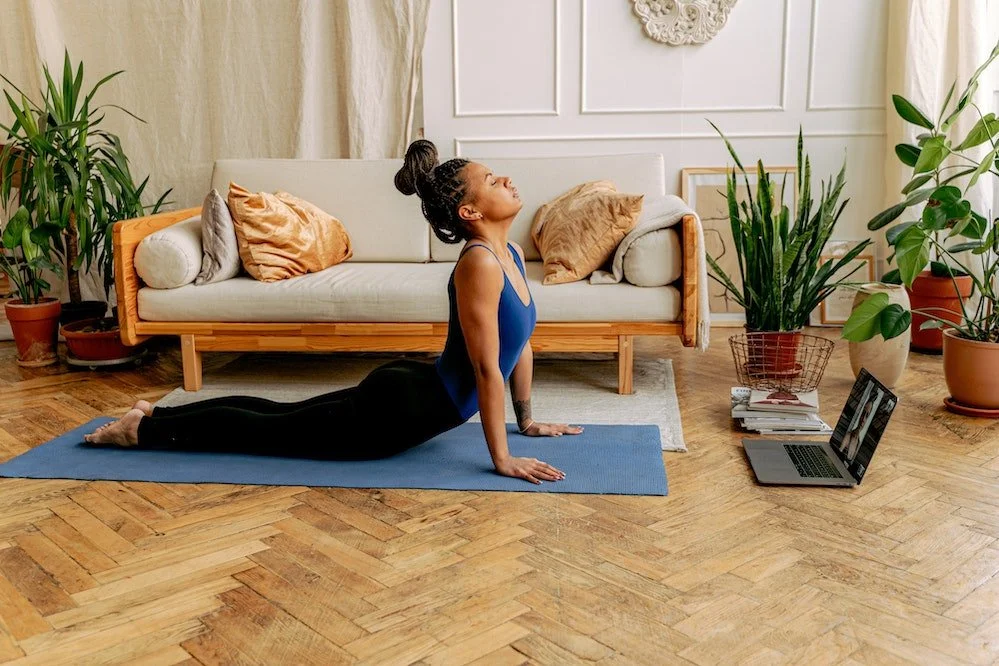
Opening the Gates into the World of Yoga
The Three Keys to the Gates
-
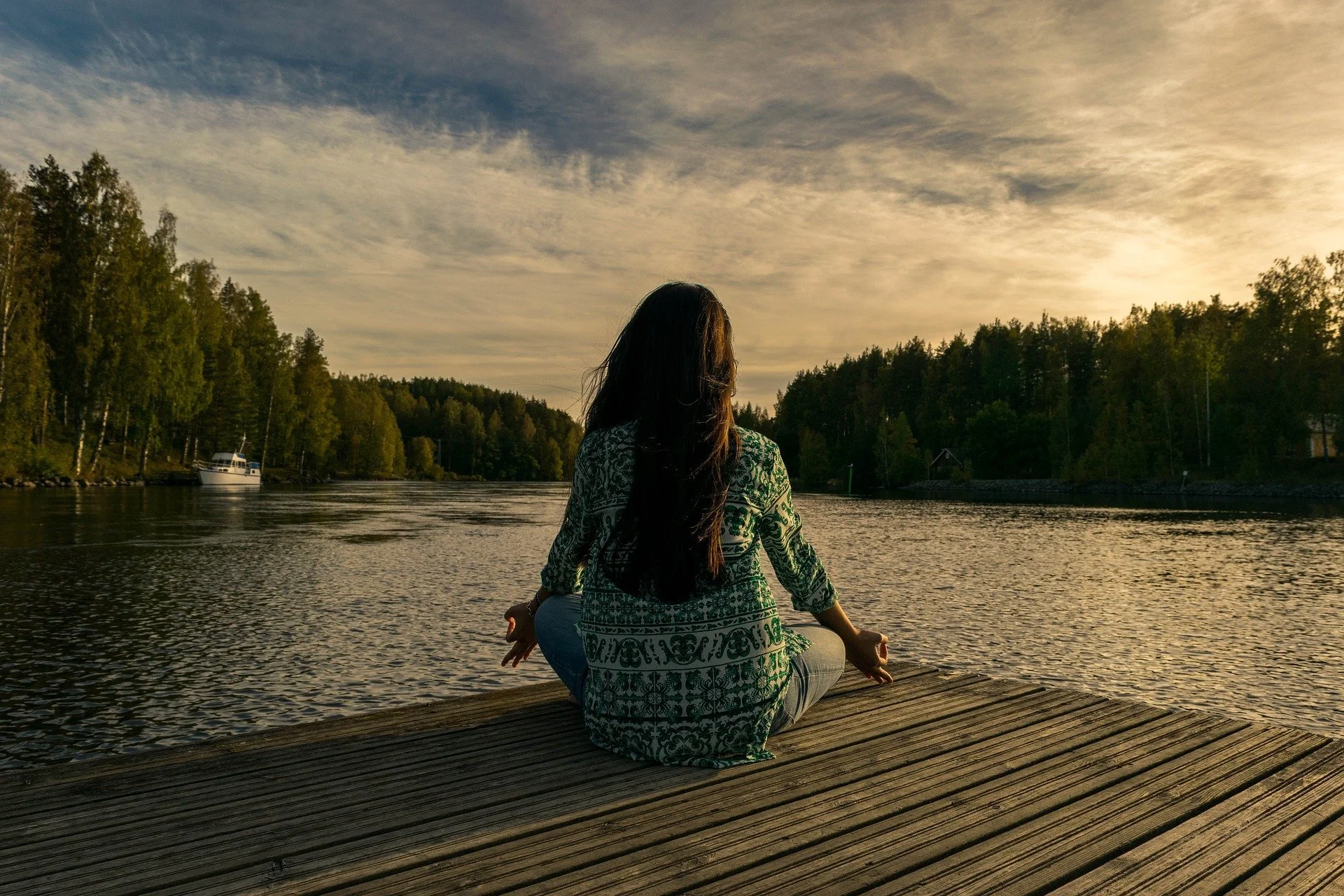
Meditation
During the practice of meditation, we focus the mind which helps to relax the autonomic nervous system and muscle tension. Deep breathing alone helps to bring more oxygen to the brain, resulting in the ability to think more clearly.
-
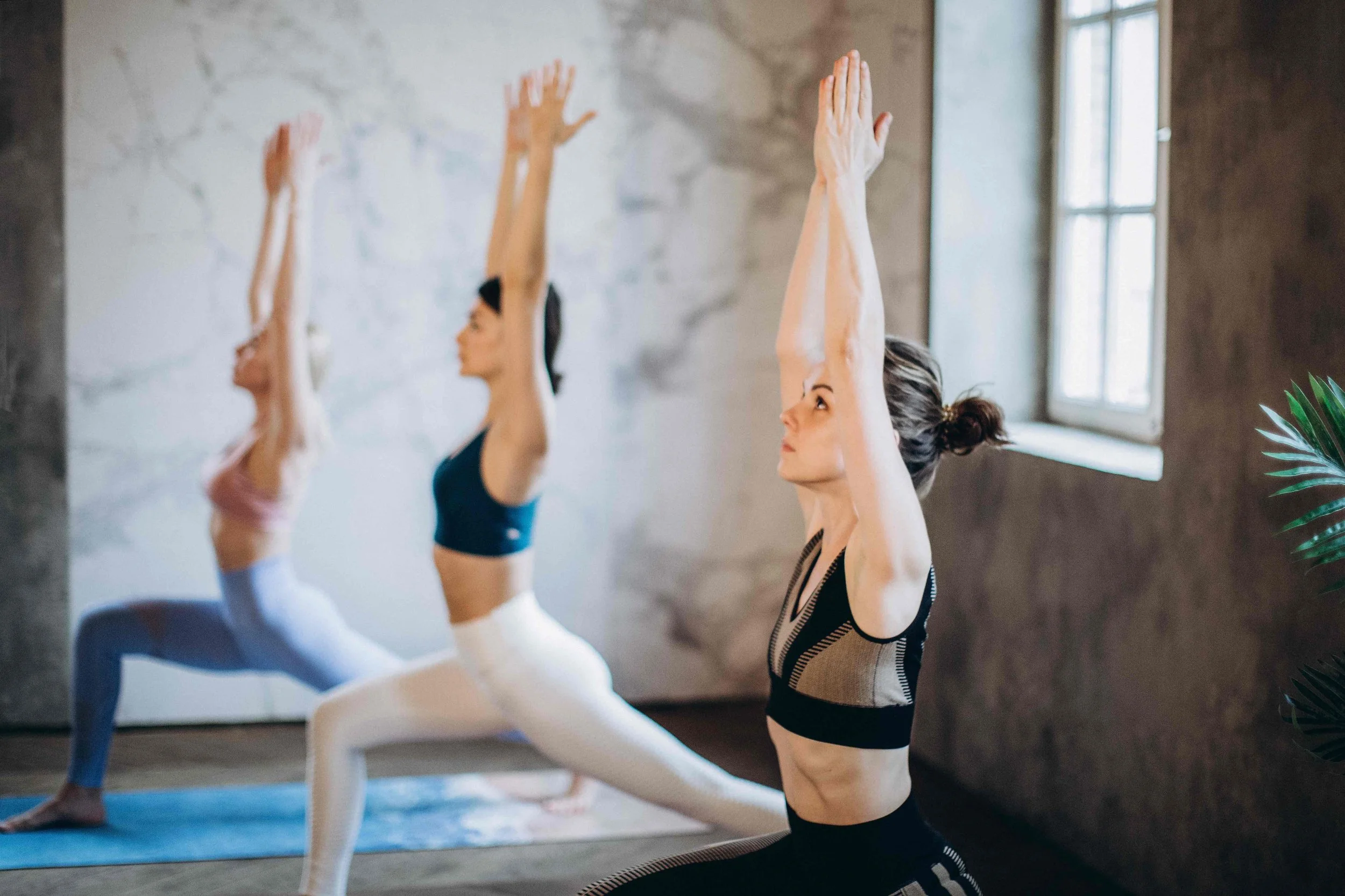
Movement
Practicing the physical postures used in yoga has many benefits, such as increasing strength and flexibility in the body. Yoga also helps to improve circulation, improve breathing, and relieve stress or anxiety.
-

Mindset
Performing yoga asanas (poses) are important, but it's just as necessary to have mind & body connection. Without the connection, we are simply exercising. With connection of our mind, this is when we are practicing yoga.
FAQs
-
Originating in India, yoga has been around for centuries. The practice of yoga is to connect the mind, body, and spirit through practices or disciplines intending to promote a healthier lifestyle and inner peace. Yoga is not just about practicing the poses we commonly see, but it is more of a lifestyle and a way of living.
Although it is unknown who is the actual originator of yoga, the sage Patanjali is believed to have been a great advocator and collated the practice of yoga into the Yoga Sutras of Patanjali over 2500 years ago. This includes the Eight Limbs of Yoga which help us to live a more meaningful life.
-
Ashtanga refers to the eight limbed path of Patanjali's Yoga Sutras. The word Sutra translates to "thread", which means each Sutra is considered the thread of meaning upon which teachers add their own "beads" of experience (example) for their students.
These Sutras are divided into four sections:
1. Samadhi Pada (Portion on Contemplation)
2. Sadhana Pada (Portion on Practice)
• First five steps of the eight limbs of Raja Yoga
3. Vibhuti Pada (Portion on Accomplishments)
• Last three steps of the eight limbs of Raja Yoga
4. Kaivalva Pada (Portion on Absoluteness)
It is unknown when Pantanjali lived, but studies suggest the date of the Sutras range from 5,000 B.C. to 300 A.D. Since then, his Sutras are the base for different types of meditation and Yoga.
Patanjali's yoga is typically known as Raja Yoga, which is a system for control of the mind. As mentioned above, within these Sutras are eight limbs (also known as eight-folded path) which act as guidelines to the path of internal purification, living a meaningful/purposeful life, bringing attention to one's health, providing moral conduct and self-discipline, and heightening spiritual aspects. The first five act as external aids, and the remaining three act as internal aids.
The Eight Limbs of Yoga:
1. Yamas - self restraints
2. Niyamas - self observances
3. Asana - practice of postures
4. Pranayama - breath and movement system
5. Pratyahara - sense withdrawal
6. Dharana - concentration
7. Dhyana - awareness without focus
8. Samadhi - blissful awareness & enlightenment
-
Chakra is the Sanskrit term for "wheel", or circle, movement, vortex.
The Chakras are circles of life force energy which control the circulation of this energy that flows throughout the body.
There are many different Chakras throughout the body. However, there are seven main Chakras which represent the sacred points of energy in the body that carry us on to greater awareness. These points are located from the base of the spine to the top of the head, and relate to specific areas of the body that when open, cause us to become in a state of bliss with our inner being.
Each are affiliated with a certain element, color, aroma, and area of the body. When these Chakras become blocked, it can cause physical or energetic problems. There are various ways to work with, align, open and strengthen our Chakras - Reiki being one of them.
Below are the Chakras 1-7 (base of spine to crown of head):
7. Crown Chakra - Divine wisdom/purpose, enlightenment, bliss
6. Third Eye Chakra - Intuition, clairvoyance, inner vision
5. Throat Chakra - Communication, self-expression, independence
4. Heart Chakra - Love, relationships, forgiveness
3. Solar Plexus Chakra - Confidence, ego, social interaction
2. Sacral Chakra - Emotions, sexuality, sensuality
1. Root Chakra - Grounding, trust, survival, security
-
Figuring out where to begin when getting started with yoga can be overwhelming, but here we break down what to expect and how to choose the right class for you.
Pick A Type Of Yoga Class
There are several styles of yoga out there, but if you are just getting started with yoga it is recommended taking a Yoga Basics class first to get familiar with the yoga poses including their names and alignment.
Then you can try exploring other styles such as Hatha Yoga, Gentle Yoga, Wellness Yoga, or a Slow Vinyasa Yoga or more advanced styles after feeling more confident with your practice. That being said, you want to find a class that really works well for you, so it is great to begin to explore the many different styles of yoga because you may be intrigued by several styles, or you may just prefer one.
There is a wide range of yoga classes. One day you may want to take a meditative/relaxing class, but another day you may need something more energizing or strengthening. Either way, choose a style that appeals to your personality or state of physical fitness.
Click here to visit our Movement Page and read about the different styles of yoga to help you choose!
What To Bring
A yoga mat and any props you may need for class, such as a block or a strap.
When taking a yoga class (online or in-person) it's important to wear comfortable clothing such as exercise pants or shorts and a form fitting shirt since there are poses where our head comes below our hips and your shirt could slide down.
Since wearing socks could make you slide on your mat during certain yoga postures, we usually practice barefoot. Most studios already have yoga mats you can use (I suggest asking the studio if they do since many studios have changed their policy after Covid), otherwise you can bring your own.
Online Yoga or Beginner DVDs
There are other options out there instead of attending a physical location studio. Online yoga classes are an inexpensive way to practice on your own time with a smart phone, iPad, or computer.
Online Classes are great if you are looking to fit a yoga practice into your schedule, save lots of money, and practice in the comfort of your own home (or just about anywhere!). This has been a growing option in the yoga world over the years, and it is perfect if you're looking for the safest route during a pandemic.
Gates To Yoga offers online yoga - take a class anytime, anywhere!
Click here for more information about our Online Studio
What To Expect
In a typical yoga class, students place their mats facing the front of the room (often identifiable by a small altar or teacher's mat) in a loose grid. You will need some space in certain poses so it's best if you place your mat a few inches away from your neighbor. Students often perform gentle stretching or sit in meditation while waiting to begin.
Depending on the teacher and class you are taking, there may be breathing exercises or a short meditation at the start of class. In a typical yoga class, this will then be followed by warm-up poses, more vigorous poses, then stretches and final relaxation called Savasana.
Note: You may be a little sore the day after your first class. This is normal
Savasana
Savasana is a time at the end of every yoga class for the body to fully assimilate and integrate the benefits of the yoga poses that you practiced in class.
During Savasana, we will lay on the mat for 5-10 minutes in a comfortable position and will be guided to relaxation by the instructor. Sometimes the teacher will go around to each student and give them a little massage on their neck or shoulders.
-
Do...
Tell the teacher it's your first class (you most likely won't be the only one)
Tell the teacher if you’re pregnant, modify poses as necessary
Ask the teacher for help if you need it!
Familiarize yourself with some beginner's yoga poses before you take your first class
Drink water before and after
Pay attention to when the teacher says "breathe", sometimes you may be holding your breath and do not even know it!
Don't...
Have a big meal right before class, try to eat lightly a few hours before class
Wear socks during class (unless you have grip socks) because you might slip
Discourage or criticize yourself if having difficulties - remember, we all start somewhere!
-
There are many benefits to practicing yoga. For example, practicing yoga can help to reduce the physical effects of stress on the body because not only does yoga address the physical body, but also the mental and emotional aspects of ourselves.
When we encourage ourselves to take the time out and truly let ourselves gently relax through the various practices of yoga, then this can lower our levels of the stress hormone cortisol. By lowering these levels, our stress levels are impacted but also other areas of body.
This includes:
Blood pressure and heart rate is lowered
Digestion and the immune system is improved
Anxiety, fatigue, insomnia and depression are reduced
Yoga can help to relieve some aches and pain
Studies have shown that practicing yoga asanas (postures), meditation, or a combination of these two can help reduce pain for those with conditions such as:
Back & neck pain
Multiple sclerosis
Auto-immune diseases
Hypertension
Arthritis
Cancer
The practice of yoga poses help to improve our posture and relieve some neck, back, and joint pain. Emotional aches or pains are also included in what some report can be soothed with the practice of yoga.
Promotes our breathing
Within yoga, there is more than practicing just the postures. There are also breathing exercises that teach us to take slower, more deep breaths. With the practice of this yogic breathing, our lung functionality improves and we also are increasing the amount of oxygen available to the body.
Gives us a focus on the present moment
The practice of yoga and meditation help us to bring awareness to the present moment; we are not stuck in the past or worried about the future, we are in the here and now of the present moment. This helps us to improve our coordination, concentration, memory and reaction time.
When our focus is on the present moment rather than the past or future, we become more at peace and content with ourselves including the world around us, rather than spending precious time and energy with worry of the unforeseen future and anxiety from reminiscing of the unchangeable past.
Increases our flexibility
Certain postures and styles of yoga will help to improve flexibility, mobility and increase our range of movement/motion. With modifications and various styles; yoga is for any age, any body type, and any physical condition. Yoga is for everybody.
Almost every beginner will be unable to touch their toes during their first yoga class. Remember, we all have to start somewhere and have different/unique journeys. Gradually with time and practice; the ligaments, tendons, and muscles will lengthen. This will increase the elasticity in our body, which helps to make poses doable.
Creates more strength in our body
The long list of various yoga asanas (postures) use just about every muscle in our body, even the ones we didn't know existed! Because of this, we increase strength literally from head to toe. While these postures strengthen the body, they also provide the opportunity of relieving tension built up in the body. So not only are our muscles strengthened, but our confidence and awareness is also heightened.
Helps in having good weight management
Yoga, even the less vigorous styles, can help to promote weight control by reducing the cortisol levels and burning excess calories. When following the lifestyle of yoga (if interested, you can look into the Yoga Sutras or the Eight Limbs of Yoga) which promotes healthy eating habits and a sense of well being.
Improves the circulation in our body
Yoga helps to improve our circulation and moves the oxygenated blood to the cells in our body more easily and effectively. Although yoga is not technically "aerobic" or "cardio", you are still lowering the risk against heart disease and high blood pressure.
Gives us a sense of inner peace and contentment
The meditative aspects of yoga help many to reach a deeper, more spiritual and satisfying place in their lives. Many who begin to practice for other reasons have reported this to be a key reason that yoga has become an essential part of their daily lives.
-
There are several techniques that we can use at any time of the day to bring a sense of calmness to the mind and body. Below are some ways we can get started on our path to relaxation. Learn what works best for you.
Consciously Practice Deep Breathing
Throughout the day we unintentionally hold our breath or take short, quick-breathing patterns. This repetition of such short breathing can increase our stress levels as well as other health conditions. Focus on making exhales longer - inhale while counting to 4, exhale counting to 8.
This practice of deep breathing increases the lung capacity while bringing more oxygen supply to the blood, and can even help the body rid itself of toxins. When we receive benefits such as this we become more able to handle our temper or reactions, improve concentration, reduce stress, anger and anxiety levels.
Make The Effort To Be Present With Yourself
Stop or slow down for a minute. Bring your attention towards your actions and notice how you may be thinking. Judgmental, violent or negative thoughts can be just as harmful as physical actions.
Make an effort to practice acceptance, confidence and love towards the self. Over time this action will naturally be put outwards without any effort.
Focus On Muscle Relaxation
When we are deep in thought our muscles subconsciously tense up - most often within our forehead, jaw, and shoulders. Throughout the day, start to pay attention to when these muscles are tense.
If you notice you are frowning during work or school, focus on relaxing these muscles (especially on exhalations). You can almost instantly feel the change in your body and mind.
Remember, Things Aren't Always Perfect
In the world today, everyone is always striving to be perfect. Remind yourself that things may not always go your way, and you may not exceed the expectations of others (or even your own).
This may be difficult for some to fully accept, and that is okay. This will take time and may require one to slightly change their way of thinking. This involves acceptance, contentment, and understanding that things may not always go to plan. You may want to read about two of the Yamas and Niyamas within the Eight Limbs of Yoga, which are called Ahimsa and Santosha.
Bring Your Attention To Your Surroundings
If you have been busy at work or studying, take a 5 minute break to stop and look around at your surroundings.
What do you see? Hear? What is in contact with your body - the chair, table, clothes? What do you smell?
Use visualization and explore all of your senses. This will bring attention to the world around you, giving your mind a break from any strenuous thinking.
Spend Time In Nature - Go For A Long Walk/Drive
Walking is a great form of stress relief, or even taking a long amount of time for yourself such as sitting somewhere quiet that will help the mind and body recollect. Turn off technology and social media. Sometimes we need to be alone and focus on the needs of ourselves.
Create A Gratitude/Stress Relief Journal
Both of these are even used in Occupational Therapy! It’s good to vent, but venting may not always be the right idea if you are venting to the wrong person, especially if the emotions or frustrations you are feeling are only passing/fleeting.
If you need to lash out, try writing in a journal. Ask yourself how you are feeling and why, considering the sources of your stress. This can help you sort out and understand what you are feeling, and what you are needing. Then, provide everything you are grateful for, why you are awesome, and also make a game plan about how you can change your current situation for the better.
Last but not least… laugh a little 🙂